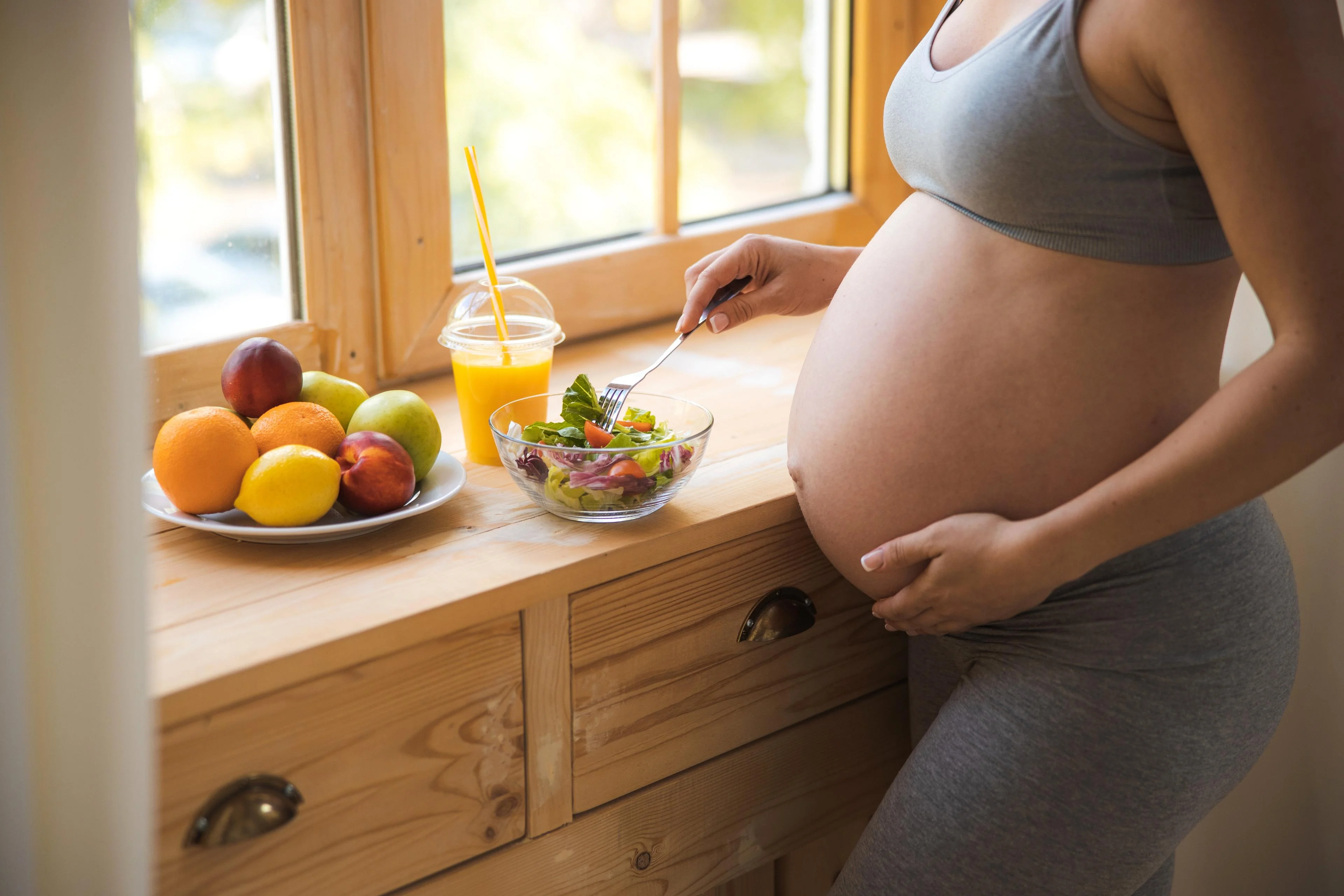
Pregnant with multiples? Twins, triplets, or even quadruplets?
Proper nutrition plays a crucial role in supporting the well-being of both the mother and the developing babies in multiple pregnancies. But do you need to eat more when carrying multiples? How much more?
We have you covered with answers to commonly asked questions, inspiration on food to eat for twins and multiples, and how to get the nutrition you need.
What are the differences between singleton, twin and multiple pregnancies?
As well as bigger tummies and worse morning sickness, pregnancies with twins and multiples are distinctly different to singletons, especially when it comes to dietary needs and health.
- Nutrient requirements: Twins and higher-order multiples need more nutrients to grow and develop. When choosing food to eat for twins and multiples, expectant mums need to increase their intake of certain nutrients, such as protein, iron, calcium, and folic acid. Check out our guide on nutrition and a healthy diet during pregnancy.
- Weight gain: Women carrying multiples are generally expected to gain more weight during their pregnancy to support the healthy development of the babies. That said, weight gain recommendations vary depending on individual circumstances and weight before pregnancy.
It's important that women with twins and higher-order multiples consult with their healthcare providers to develop a tailored nutrition plan.

How much weight do you gain while pregnant with twins or multiples?
Two times the babies doesn’t mean you need to gain twice the amount of weight.
This is the recommended weight gain for a woman with a healthy pre-pregnancy weight:
- Singleton pregnancy: 11.5 - 16kg total weight gain over the pregnancy
- Twin pregnancy: 16.8 - 24.5kg weight gain over the pregnancy
- Multiple pregnancy: Unfortunately, there isn’t enough data yet to give specific weight gain guidelines for triplet, quadruplet or higher-order pregnancies at this time. Work with your healthcare professional and follow their advice based on your own unique needs.
Regardless of how many buns are in the oven, tracking your weight is important to ensure you are getting adequate energy for yourself and your growing babies. Charting how much you weigh is an effective way to make sure you’re on track. You can download templates or use an app. Try: Weight gain chart twin pregnancy and triplet pregnancy.
Do you eat more while pregnant with twins or multiples?
When pregnant with twins or multiples, women are generally recommended to consume more kilojoules compared to what they would with a singleton pregnancy. The energy needs of multiple babies is higher, and so is mum’s. Carrying more than one baby puts high demand on a mother’s metabolism.
How much more?
The specific number of extra kilojoules can vary depending on pre-pregnancy weight, individual metabolism, and activity level.
There are no national guidelines in Australia about the exact kilojoules needed for mums who are pregnant with twins or multiples, but research shows that in the second trimester (after 12 weeks of pregnancy) of carrying twins, most women will need an extra 1,400 kilojoules per day. In the third trimester (after 29 weeks) that jumps to an extra 1,900kj a day to their pre-pregnancy intake.
Examples:
- 1,400kj could come from a small apple with a tablespoon of almond butter, or a small tub of greek yoghurt with mixed berries and 2 tablespoons of muesli.
- For 1,900kj, you could go for a wrap with avocado, turkey and salad, or a snack plate with hummus and cut veggies.
Unfortunately, there is little research and no guidelines about how many kilojoules a woman carrying triplets or multiples should eat. If this is you, seek advice from your healthcare practitioner and a dietitian.
What should you eat for twins or multiples during each trimester?
Wondering what food to eat for twins at each stage of your pregnancy? What about triplets and multiples? We have you covered.
Eating for twins or multiple pregnancies is similar to a singleton pregnancy. Here are some general guidelines and key differences in nutritional needs for each trimester:
First Trimester (Weeks 1-12)
Morning sickness is common in the first trimester, but even more so with a twin pregnancy, due to the higher levels of pregnancy hormones. Here are some dietary tips for this stage of your pregnancy:
- Focus on establishing a balanced and nutritious diet to support early foetal development.
- Ensure an adequate intake of folate/folic acid, iron, calcium and other essential nutrients. Supplementation of some nutrients, including folic acid and iodine, is recommended, regardless of your intake via food.
- Include foods rich in protein, whole grains, fruits, vegetables and healthy fats.
- Speak to your healthcare professional or dietitian. They might recommend you increase your kilojoule intake to put on weight early.
Second Trimester (Weeks 13-27):
- Eat more to increase your kilojoule intake to meet the higher energy demands of your body and your bubs.
- Continue eating a balanced diet with emphasis on nutrient-dense foods.
- Include sources of omega-3 fatty acids for foetal brain and eye development.
- Eat foods high in calcium and vitamin D for bone development.
Third Trimester (Weeks 28-40+):
- Time for another bump in kilojoules. Eat more to support the rapid growth of the babies.
- Continue focussing on nutrient-dense foods, including a variety of vitamins and minerals.
- Consume foods rich in iron to support healthy blood production and prevent anaemia.
- Include foods high in magnesium to help prevent muscle cramps and support foetal development.
- Stay hydrated and consider eating small, frequent meals to manage discomfort.
It's important to note that these are general suggestions. For personalised advice, consult with a healthcare professional or a registered dietitian who specialises in prenatal nutrition.
What foods should you eat for twins or multiples?
Protein
Protein is important for ensuring the normal growth of your babies when you are pregnant with twins or multiples. It’s essential to fuel the increased blood volume to nourish two or more babies. Eating enough protein is good for mum’s health too — it strengthens the uterine muscles and may help prevent preeclampsia, gestational diabetes and preterm labour.
As a bonus, high protein foods tend to be rich in key minerals such as iron and zinc — see below to find out how important they are!
NOTE: Avoid organ meats such as liver and patè during pregnancy as they are often very high in vitamin A, which can be toxic to your babies.
What foods are high in protein?
- Red meat
- Chicken
- Tofu
- Lentils
- Nuts and seeds
Folic Acid
Folic acid and folate are important in the creation of your baby's genes and rapidly growing cells. Women who are pregnant with twins require higher amounts of folic acid to prevent neural tube defects in their babies. The need increases with multiples.
Research suggests that women who are pregnant with twins are eight times more likely to become anaemic due to folate deficiency than women with singleton pregnancies! This can leave you feeling fatigued and could potentially affect your babies’ development.
Taking a nutritional supplement that contains folic acid is important for all pregnancies. One serving of a2 Nutrition for mothers™ contains 50% of a recommended daily intake for singleton pregnancies in women aged 19-30 years.
What foods are high in folate (folic acid)?
- Leafy green vegetables
- Legumes
- Citrus fruits
- Avocados
- Asparagus
Calcium
When thinking about what to eat for twins, always look for calcium. 70% of Australian women aged 19-30 years are not getting enough calcium each day.
Your growing babies will demand additional calcium, especially in the third trimester to help build their bones. If you don’t increase your calcium intake during pregnancy, your bones may end up being compromised to build theirs!
How much calcium do I need?
In Australia, there is no agreed calcium target for twin pregnancies. A good guide is to consume 3 and ½ serves of dairy each day (find out what a serve looks like here). Some medical factors may mean you need more or less calcium, so talk to your healthcare professional about taking supplements.
One serve of a2 Nutrition for Mothers™ made with 200 mL of a2 Milk™ Light provides you with 769 milligrams (mg) of calcium as well as 15.9 grams of protein, which is a great contribution to daily targets for your multiple pregnancy. Making a serve of a2 Nutrition for Mothers™ with light milk instead of water will give you added nutrition.
What foods are high in calcium?
- Milk
- Cheese
- Leafy green vegetables
- Tofu and edamame
- Sesame seeds and tahini
Iron
Iron is a critical nutrient in any pregnancy, especially in the second and third trimesters when blood volume increases to support your growing babies. The requirements are higher in a multiple pregnancy, due to the increased amount of blood needed to nourish multiple foetuses.
Research shows that women who are pregnant with multiples were 4 times more likely to have iron deficiency anaemia than women with singleton pregnancies. Anaemia can leave you feeling fatigued, dizzy, and having trouble concentrating.
What foods are high in iron?
- Meat
- Dairy
- Beans and pulses
- Nuts and seeds
What foods should you avoid when pregnant with twins or multiples?
Your immune system changes during pregnancy and can make you more prone to foodborne illnesses. Some foods are especially dangerous to you and your little ones during pregnancy:
- Deli meats, soft cheeses, pâté and soft-serve ice cream
- Smoked salmon, uncooked seafood, precooked prawns and sushi
- Raw eggs (or foods that contain raw eggs, such as mayonnaise, tiramisu, raw dough, batter and homemade ice cream)
- Raw or undercooked meats
- Pre-made meat or seafood salads
More information can be found here: Nutrition Advice During Pregnancy.
Share