
This is not intended to be medical advice, please see a healthcare professional for more information
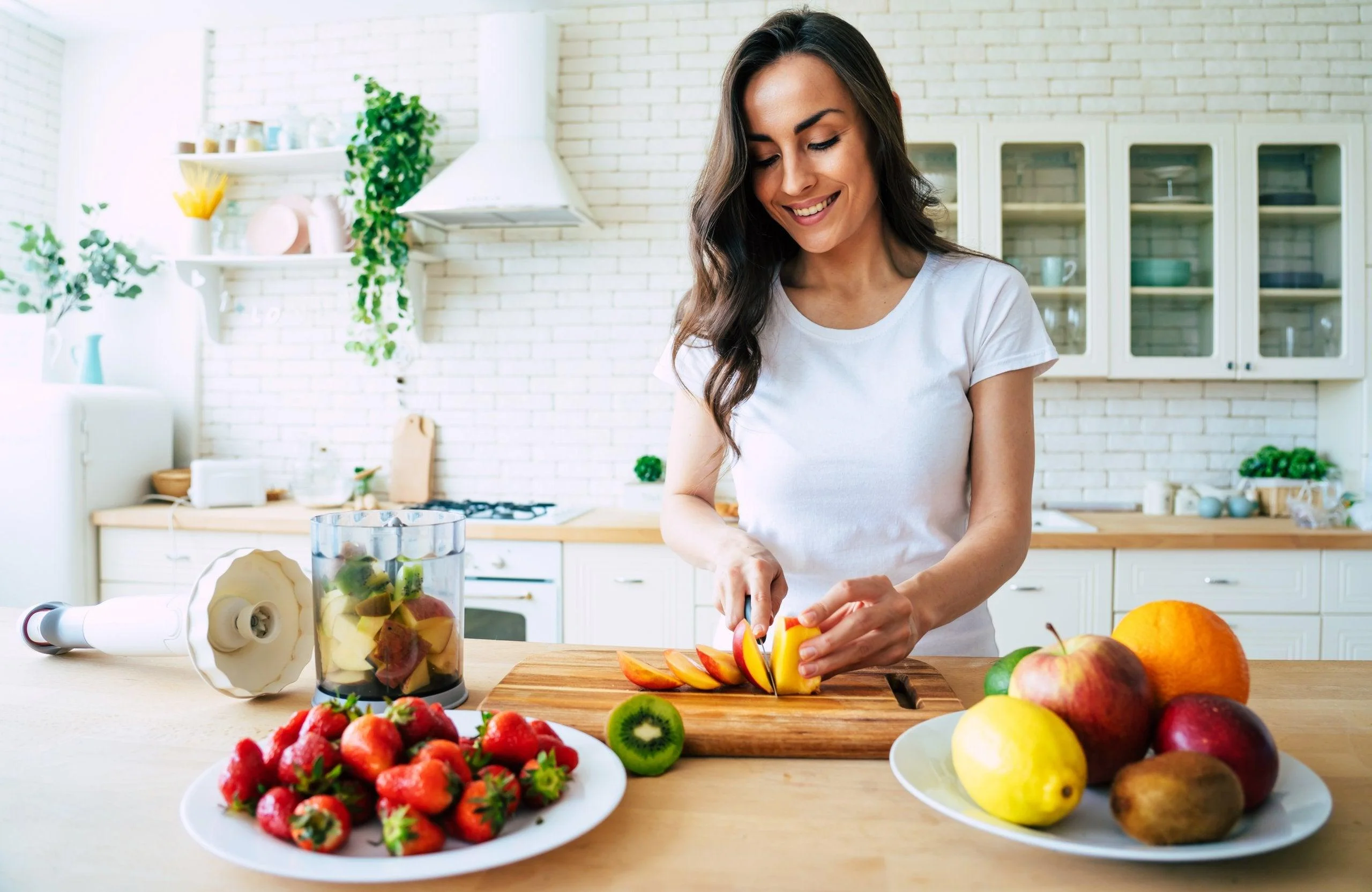
Everyone has an opinion on what to eat — and what not to eat — when you’re pregnant. The research is undeniable and your pregnancy diet does play a role in supporting the growth and development of your baby, but it isn’t as complicated as you might think.
We’ll walk you through pregnancy nutrition, what to eat when pregnant, and how to support a healthy pregnancy and healthy baby
Am I really eating for two during pregnancy?
There’s no need to double up on dinner. Pregnancy does call for extra kilojoules and nutrients, but you won’t be “eating for two”. In fact, pregnancy nutrition guidelines don’t call for more calories until you’re in your second trimester. That’s right — most women don’t need to eat more for the first 12 weeks of pregnancy.
There are exceptions to this, especially if you’re carrying twins or higher-order multiples, so take the advice of your healthcare professional or dietitian.
Once you’ve reached your second trimester, your energy requirements increase by 1400 kilojoules (or about 330 calories) per day. Getting these pregnancy calories isn’t difficult. An extra peanut butter sandwich made with whole grain bread will just about meet the extra 1400 kilojoules requirement.
In the third trimester, your pregnancy calories should increase by 1900 kilojoules (or about 450 calories) per day. This could look like an extra 2 hard-boiled eggs on whole grain toast with half an avocado and an extra piece of fruit.
The extra pregnancy calories help ensure you gain the right amount of weight to support the growth of your baby and your own body. Speak to your healthcare professional, midwife or dietitian about your individual weight gain recommendations during pregnancy, as this depends on your pre-pregnancy weight.
Tune out the well-intended message of “eating for two” and focus on making trimester-by-trimester adjustments to your pregnancy diet to help support you and your growing baby.
Is it safe to consume fish and seafood during pregnancy?
Generally, fish is a healthy part of a pregnancy diet. It’s rich in omega-3 fatty acids which are important for brain development and are notoriously difficult to get from other types of food.
But when you’re creating your pregnancy diet plan, stay away from some types of fish and cooking techniques.
Avoid these in your pregnancy diet:
- Raw fish
- Chilled prawns
- Sushi (raw fish and seafood)
- Undercooked fish
- Oysters
- Some types of fish contain high levels of mercury, which can harm your baby. These include swordfish, shark, marlin, and catfish.
What are my nutritional requirements during pregnancy?
Certain nutrients are more essential than others for the development and health of your baby. They also support you through pregnancy and into postpartum recovery.
Here are the top pregnancy nutrients to focus on:
Folic Acid
Folic acid (folate) plays a crucial role in early pregnancy and foetal development.
- Neural tube development: Folate is essential for the development of the baby’s neural tube, which becomes their brain and spinal cord. Without enough folate, the risk of neural tube defects such as spina bifida increases.
- Cell division and DNA synthesis: Folate is used in the rapid growth of the placenta and the baby.
Which foods are high in folate?
- Leafy greens: Spinach, kale, and silverbeet
- Legumes: Lentils, chickpeas, black beans, and kidney beans
- Citrus fruits: Oranges and grapefruits
- Avocado
- Fortified grains: Look for whole grain bread, pasta, and cereals fortified with folate.
Iodine
Iodine is key for hormone balance for pregnant mothers, as well the development of the baby’s brain and nervous system.
- Thyroid hormone production: Iodine is a key component of thyroid hormones — both for you, and your baby. In utero, your baby won’t develop its own thyroid until about week 12 of your pregnancy and will rely on your thyroid hormones until week 20.
- Brain development: Iodine deficiency can cause cognitive impairments and developmental delays in children.
Iodine is recommended to be supplemented from a specially formulated pre-pregnancy, pregnancy and breastfeeding supplement like a2 Nutrition for mothers ™ before, during and after pregnancy when breastfeeding.
Which foods are high in iodine?
- Seaweed: Kelp, nori, and other types of seaweed
- Seafood: Fish, particularly saltwater fish like cod and shrimp
- Dairy products: Milk, yoghurt and cheese
- Eggs: Whole eggs, including the yolk
Ensure fish and eggs are well-cooked.
Iron
Increasing your iron stores before becoming pregnant is important because iron levels drop throughout pregnancy, but you will still need to maintain them throughout pregnancy. Here’s why iron is an essential part of a pregnancy diet:
- Oxygen transport: Iron transports oxygen in the blood, ensuring optimal functioning of reproductive organs.
- Extra blood: In the second trimester, your blood volume increases to support your baby. Iron is required for this process. It extends and peaks well into the third trimester of pregnancy.
Be on the lookout for symptoms of iron deficiency. These can include fatigue, restless legs, dizziness and poor concentration. If you are experiencing these, please speak with your healthcare professional.
Which foods are high in iron?
- Lean meats: Beef, lamb, poultry and organ meats like liver
- Legumes: Beans, lentils, and chickpeas
- Leafy greens: Spinach, kale, and silverbeet
- Fortified cereals: Certain breakfast cereals contain added iron
- Shellfish: Oysters, clams and mussels
Pregnant women that follow a vegetarian or vegan diet are particularly at risk of iron deficiency. This is because vegetarian sources of iron such as beans, lentils, breakfast cereals, tofu, green vegetables and dried apricots are not as well-absorbed as non-vegetarian sources, and in fact vegetarian women require nearly double the amount of iron each day to meet their needs in order to make up for this.
Nausea can make it difficult to meet your daily iron requirements. A pregnancy supplement containing iron may help to bridge this gap. Ensure you consult with your healthcare professional about your specific iron needs based on your individual requirements.
Omega-3 Fatty Acids
Omega-3 fatty acids are critically important for your baby’s development. Here’s why they should be included in your pregnancy diet:
- Foetal brain and eye development: DHA (a type of omega-3 fatty acid) is a major component of the brain and retina.
- Healthy birth weight: Research has shown that omega-3 fatty acids may reduce the risk of low birth-weight and prematurity.
Which foods are high in omega-3 fatty acids?
- Fatty fish like salmon, sardines, trout, and mackerel — limit your intake to two meals of 150g servings per week.
- Chia seeds and flax seeds
- Walnuts
- Soy, edamame, and tofu
Choline
Choline is a vitamin-like nutrient which was only relatively recently acknowledged by the Institute of Medicine to be an essential nutrient. In pregnancy, choline is needed for:
- Placenta: Choline is needed for the formation and ongoing health of the placenta.
- Brain and neural tube: Working with folate, choline is essential to prevent neural tube defects, and for the development of brain tissue.
Which foods are high in choline?
- Eggs
- Beef
- Tofu, tempeh and edamame
- Potatoes
- Mushrooms
You can find choline inside a2 Nutrition for mothers™ to help get you towards your daily targets.
How much weight should I gain during pregnancy?
Putting on weight during pregnancy is essential for you and your baby’s health.
Gaining too much or too little? It can be impossible to tell unless you are monitoring your weight during pregnancy. There are apps to track your weight, or you can download and use a chart.
According to The Royal Women’s Hospital, the appropriate amount of weight gain depends on your BMI before you became pregnant.
| Pre-pregnancy BMI | Recommended weight gain over the whole pregnancy | Recommended weight gain per month in the 2nd and 3rd trimester |
| BMI less than 18.5 (underweight) | 12.5kg to 18kg | 2kg to 2.6kg |
18.5 to 24.9 (healthy weight) | 11.5kg to 16kg | 1.5kg to 2.3kg |
25 to 29.9
| 7kg to 11.5kg | 1kg to 1.5kg |
30 or more or over 27.5 if Asian | 5kg to 9kg | 0.8kg to 1.2kg |
Source: The Royal Women’s Hospital, Weight and Pregnancy
Weight gain is influenced by how and what you eat, how much exercise you do while pregnant, morning sickness turning you off food, and fluid retention. Talk to your healthcare professional and a dietician to make sure you hit your weight targets.
While there is a lot to consider when it comes to pregnancy nutrition, a well-balanced pregnancy diet and a complex pregnancy supplement can help meet your nutrient requirements. Working with a dietitian and your healthcare professional can help you ensure you reach your targets each day and personalise recommendations to your lifestyle.
For more information on how to support your health, check out our mother's nutrition page.
Share


