Feeding babies and children can be a tricky task, and managing allergies adds to the complexity.
A food allergy is an overreaction the body has to a particular food, because it believes the food is harmful. Allergies need to be taken seriously. Reactions to triggering foods include swelling of the face, tingling mouth, stomach pain and vomiting. A severe reaction can even cause life-threatening anaphylaxis.
If your baby has allergies, you’re not alone. About 10% of children under 3 years old, and 8% of those over 5 years have allergies. The good news is that many kids grow out of their allergies. In the meantime, we have some info to help you navigate food allergies.
In this article, we explore what food allergies are and give you our top tips to help with managing allergies in children. It is essential that you connect with your child’s healthcare professional team to discuss their individual needs and management plan.
What is a food allergy?
A food allergy is an abnormal immune response to certain foods.
When someone with a food allergy consumes the allergenic food, their immune system mistakenly identifies the food as harmful. The immune system releases chemicals that cause allergic reactions, ranging from mild symptoms to severe and potentially life-threatening ones.
What is the difference between a food allergy and food intolerance?
Though they may have similar triggers, a food allergy is different to a food intolerance.
An allergic response triggers the immune system and can cause life-threatening anaphylaxis. A food intolerance doesn’t involve the immune system and while some of the symptoms can appear throughout the body, it will never lead to anaphylaxis.
Both allergies and intolerances can cause symptoms of stomach pain, diarrhoea and vomiting.
Food allergy signs appear immediately or very shortly after exposure to the triggering food. Intolerance symptoms can take up to 24 hours to occur.
Children can grow out of allergies and intolerances.
Managing allergies and intolerances both involve removing the triggering food. Because this can cause gaps in your child’s nutrition, it should be done under the supervision of a healthcare practitioner.
We have more information about food intolerance in our article: Food intolerance in babies and children.

What are the signs and symptoms of a food allergy?
When managing allergies, it’s essential to recognise common signs and symptoms.
Food allergy symptoms are usually present immediately or very shortly after a child consumes the triggering foods. Signs can include:
- Swelling of lips, eyes and face
- Hives or welts
- Tingling mouth
- Diarrhoea, vomiting or stomach pain
- Blocked nose or sneezing
- Extreme reaction — Anaphylaxis
If ANY of the following occur, call for an ambulance immediately:
- Difficult or noisy breathing, or wheezing
- Swelling of tongue or throat
- Persistent cough
- Difficulty talking or hoarse voice
- Dizziness or collapse
- Pale and floppy (young children)
Delayed onset symptoms
While the majority of allergic reactions cause immediate symptoms, some signs can present 2-4 hours later. These are rarely life-threatening and can include:
- Vomiting
- Diarrhoea
- Bloating
- Stomach cramps
What are the most common food allergies in children?
Babies and children can develop allergies to any food, but some are much more common than others.
The most common food allergy triggers are:
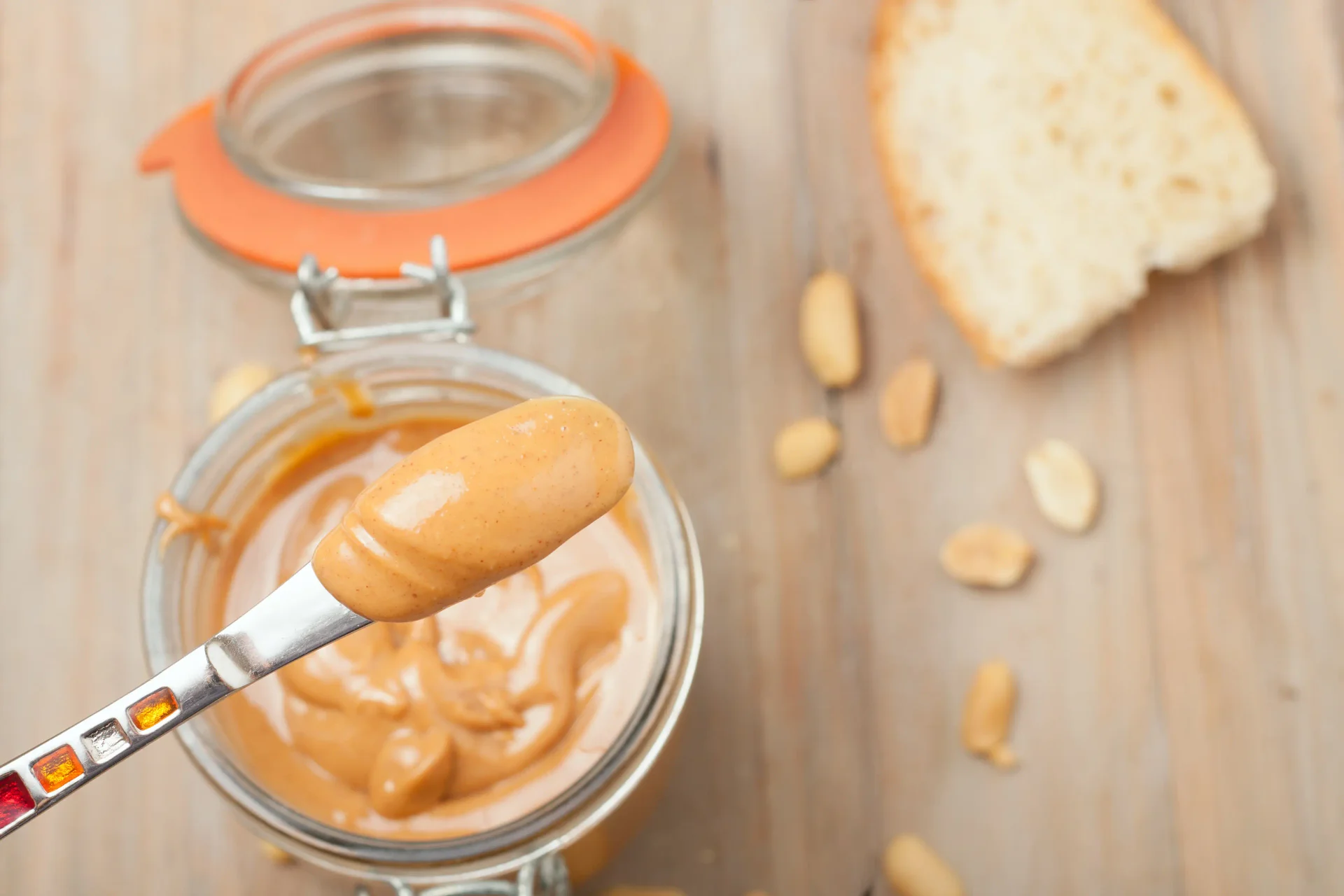
- Peanuts
- Tree nuts (e.g. almonds)
- Fish
- Eggs
- Milk (a2 Milk® products are not suitable for children with a cow's milk allergy)
- Wheat
- Soy
- Sesame
- Shellfish
- Lupin (a type of legume)
In Australia, packaged foods must list these common allergens on the ingredients label. But there are other foods your child might be allergic to that are instead listed as numbers or words that you may not recognise. Get help managing allergies in babies and children by consulting with a dietitian, downloading apps and joining online communities that can teach you what to look for on ingredients labels.
How to manage food allergies in infants and children
Managing allergies can be tough, especially when your child has multiple food allergies.
You should know what to do if your child shows signs of life-threatening anaphylaxis. Your healthcare practitioner will help you in managing allergies and may prescribe an adrenaline autoinjector (also known as an EpiPen). This will deliver a quick release of adrenaline into your child’s upper thigh in case of a severe allergic reaction or anaphylaxis.
If your child is having a severe allergic reaction or anaphylaxis, please call 000 or your local ambulance number for immediate medical attention, even if you have administered an adrenaline autoinjector.
Eliminate food allergens
You must strictly exclude all allergens from your child’s diet to avoid an allergic reaction. In many cases, keeping the food out of the house is essential, too. Your healthcare professional will advise which foods need to be excluded.
Speak to your dietitian about any potential foods that you may have overlooked that are likely to contain the allergen your child is having a reaction to. For example, if your child is allergic to soy, you should be aware that many common breads contain soy flour.
If you’re uncertain about the ingredients used in a particular product or in a particular restaurant dish when dining out, the motto is: If in doubt, leave it out. It isn’t worth the risk of a potential allergic reaction.
Limit Cross Contamination
You will also need to be mindful of cross-contamination in the kitchen. For example, if one of your children has a wheat allergy, and your family shares the same toaster where both wheat and non-wheat breads are toasted, there will be a high risk of cross contamination. You may need to get a toaster for the child’s non-wheat bread, or keep wheat bread out of the house altogether.
Quick tips for managing allergies for children and babies
- Get professional help: Connect with an GP, an allergist or clinical immunologist, and a dietitian.
- Educate your child: When your child is old enough, talk to them about their allergies, why they need to avoid certain foods, and discuss how they can stay safe.
- Become familiar with food labels: Learn from your dietitian, download apps and join online communities that can teach you what to look for on food packaging.
- Double-check the ingredients: Companies reformulate their products. Regularly check the nutrition information panel, ingredients list and allergen warnings.
- Communicate: Everyone responsible for your child should know about their allergy. Family, friends, day care, and other parents are responsible for managing allergies while your child is in their care. Let them know what your child shouldn’t eat and what to do if they have a reaction.
- Eating out: At restaurants, order allergen sensitive foods first so that your details aren’t missed. For parties, speak to the caterer directly.
- Check medications and supplements: Some products contain allergens, so ask your doctor or pharmacist if you’re uncertain.
- Manage the EpiPen: If your child has been prescribed an adrenaline autoinjector, ensure it is physically with them at all times, and restock when it is close to expiry.
Share