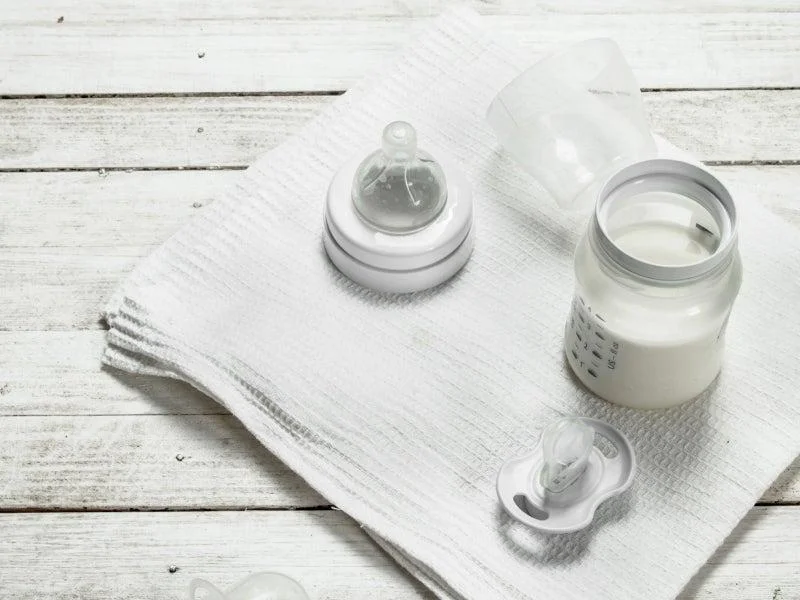
For many babies, a dummy (also known as a pacifier or soother) is a trusted source of comfort. It helps them to self-soothe and feel secure, especially during those early months. But there comes a time when it’s best to let it go.
If you're wondering how to wean a baby off a dummy without tears or sleepless nights, you’re not alone. Here, we’ll walk you through gentle, effective strategies so you can confidently take on this important milestone.
Key takeaways
- Most babies can begin weaning off the dummy between 6–12 months, with complete transition ideally by 2–3 years
- There’s no single “right” approach. Gradual weaning, cold turkey, or gentle rituals can all be effective depending on your child
- Dummy use is closely tied to comfort and routine, so replacing it with alternative soothing methods is key
- It’s normal for children to cry or resist, but most adjust within a few days with consistent support
- Timing matters. Avoid weaning during illness, big transitions, or periods of emotional stress
- Staying calm, consistent, and responsive will help your child feel secure throughout the process
When Should You Wean Off the Dummy?
There’s no one-size-fits-all rule, but most experts recommend starting to wean between 6 and 12 months. Ideally, the transition away from dummies is complete by 2–3 years of age. Here’s why these ages are when to wean a baby off dummy attachment:
- Speech Development: Prolonged dummy use can interfere with mouth muscle movement and early language learning.
- Dental Health: While dummies for babies are generally safe in early months, using a dummy beyond age 2–3 years may impact how teeth grow in.
- Sleep Habits: Babies eventually learn to settle themselves without relying on external aids like dummies.
- Social and Emotional Development: As your child becomes more social, having a dummy can interfere with play and social interactions.
As your baby grows and their feeding and sleep patterns evolve, they become less reliant on sucking for comfort and more capable of self-settling. This natural progression often happens alongside changes in feeding, such as introducing formula or adjusting feeding routines to suit your baby’s stage.
Every child is different — so while some may happily ditch the dummy early, others might need a bit more time and patience.
Why It’s Hard to Give Up the Dummy
Giving up the dummy can be challenging for babies and parents because it represents comfort and security for your child, while parents often face guilt, uncertainty, and concerns about sleep disruptions during the transition.
Understanding why this process feels so daunting can help you approach it with more compassion for both you and your child.
For Your Child: The dummy represents familiarity and security. It’s often part of the nap and bedtime routine and a go-to for calming down fussy moments. From their perspective, you're asking them to give up something that’s important to their sense of safety and comfort.
For Parents: Some parents feel guilty about taking away something that brings their child comfort. You might worry about the logistics of sleep regressions and increased fussiness. Then there’s the decision of when to wean the baby off a dummy – is it too early? Too late?
The good news is that children tend to adapt to life without their dummy much faster than parents might expect. Young ones can be remarkably resilient. In many cases, worrying about dummy weaning is often more stressful than the actual transition.
Tips for Weaning Off the Dummy
When it comes to how to wean a baby off a dummy, there are a few tried-and-true methods. Choose the one that best suits your child’s temperament and age. It’s okay to experiment and see what works.
Gradual Weaning
Gradual weaning off the dummy is a gentle method that involves slowly reducing dummy use over several days or weeks. It’s a good choice for sensitive children or younger babies.
What You'll Need:
- An alternative comforting object (special teddy, soft blanket)
- Patience and consistency with your chosen timeline
Week 1: Daytime Reduction: Limit dummy use to sleep times only. Remove the dummy once your child is awake and alert, and offer other comfort items when they ask for their dummy. If you face a lot of resistance, you can start by creating specific "dummy-free zones" like the pram or during meal times.
Week 2: Shortened Sleep Use: Gradually reduce how long your child uses the dummy during naps. Try removing it once they're drowsy but not fully asleep. For bedtime, consider taking it away after 10-15 minutes rather than all night.
Week 3: Final Transition: Try a completely dummy-free nap time. Once you’re successful with one sleep period, tackle bedtime. This works best if you have a well-established bedtime routine.
Cold Turkey (Giving Up the Dummy Overnight)
Going dummy-free in one decisive move can sometimes be the best approach. This is good for older toddlers who understand cause and effect.
Timing is important. Choose a calm week when there are no major disruptions. Don’t attempt it if your child is sick or going through big milestones like starting daycare. Make sure your bedtime routine is well-established and mentally prepare yourself for 2-4 challenging nights.
How to do it:
- Remove all dummies from your home (or put them completely out of reach)
- If your child is old enough to understand, have a simple conversation: "You're such a big kid now, and big kids can try other things’.
- Stick to your regular bedtime routine but replace dummy time with extra cuddles and stories.
- Be prepared for some tears and resistance – this is completely normal.
- Celebrate small victories and progress each morning.
Dummy Fairy or “Letting Go” Rituals
Dummy fairy or “letting go” rituals work particularly well for toddlers who enjoy stories and special ceremonies. It helps transform the stress of weaning off the dummy into an exciting milestone.
- The Dummy Fairy Visit: Create a story about a special fairy who collects dummies for babies from big kids who don’t need them anymore. Have your child leave their dummy under their pillow or in a special box. The "Dummy Fairy" takes the dummy overnight and leaves a small gift or certificate celebrating their big kid status.
- Posting to New Babies: Let your child help "post" their dummy to a baby who needs it. Create a simple ceremony around wrapping it up and saying goodbye. Follow up with a letter "from the baby" thanking them for their kindness.
- Dummy Graduation: Create a special "big kid" certificate or have a small family celebration. Take photos of your child saying goodbye to their dummy. Let them choose a special new "big kid" comfort item to replace it.
Dummy Alternatives for Comfort
Offer replacement comforts that feel safe and familiar if your baby uses a dummy for comfort.
- Special comfort toy
- Sleep sacks or special pyjamas
- White noise or gentle music
- Nightlights or soft glowing toys
- Extended bedtime routine
- Back rubbing or gentle touch
Feeding, whether breast or bottle, can also be a source of comfort for some babies, particularly in the early months. If you're introducing baby formula, you may notice your baby begins to associate feeding with settling and sleep. While this can be helpful, it’s important to also build other comforting routines so your baby doesn’t become reliant on a dummy or feeding to relax.
Remember, your presence and consistent love are the most powerful comfort tools available!
What If They Cry or Resist?
It’s normal for children to cry or resist when trying to wean off a dummy. It’s a big change, and resistance isn’t a sign you’re doing anything wrong. Here are some tips:
- Stay Calm and Consistent: Your calm presence helps your child feel secure. Avoid giving in once you’ve started — it can make things harder next time.
- Offer Verbal Reassurance: Use comforting words like “I know it’s hard, but you’re safe and I’m here.” Acknowledge their feelings and remind them how capable they are.
- Give Physical Comfort: Cuddles, back rubs or simply being nearby can help.
- Distract and Redirect: During the day, offer activities or comfort toys when they ask for their dummy.
Most kids adjust in 3–7 days and sleep disruptions are temporary. That said, every child is different — some need more time, and that’s okay.
When to Delay Weaning
If you’re deciding when to wean a baby off a dummy, it’s a good idea to choose a time when your child feels emotionally secure and physically well. This sets everyone up for the easiest possible transition. But sometimes the timing just isn't right and that's perfectly okay. You might have more success by postponing until your child is ready.
Consider waiting if your child is:
- Fighting off a cold or flu, or other illness
- Teething heavily
- Having sleep disruptions due to health issues
- Starting daycare or changing childcare arrangements
- Going through a particularly clingy or insecure phase
It’s also a good idea to put it off if parents are returning to work or there are major changes in the family routine. Sometimes, it might not be the right time for you. It’s okay to postpone weaning if your stress levels are high or you’re dealing with other parenting challenges.
Small Steps, Big Wins
Learning how to wean a baby off a dummy is a big challenge. Whether you’re phasing the dummy out slowly or going cold turkey, the key is to stay consistent and loving.
Ready for your next parenting win? Check out our other feeding and parenting support articles.
FAQs about Dummies
Are dummies bad for babies?
Dummies aren’t inherently bad and can provide comfort and help babies self-soothe. However, prolonged use beyond toddler years may impact dental development and speech, which is why gradual weaning is recommended.
Why do babies like dummies?
Babies have a natural sucking reflex, which helps them feel calm and secure. A dummy mimics this soothing action, making it a reliable comfort tool during sleep and fussy moments.
How do you settle a baby without a dummy?
You can settle a baby without a dummy by using alternatives like rocking, gentle touch, white noise, or a consistent bedtime routine that helps them feel secure.
Can feeding become a sleep association like a dummy?
Yes, both dummies and feeding (including formula) can become sleep associations if your baby relies on them to fall asleep. When this happens, babies may wake during the night and need the same conditions to resettle. Creating a consistent bedtime routine that doesn’t rely solely on feeding or a dummy can support more independent sleep.
Share